
Density of Wood Species: Data & Material Guide
Densities of various wood species - apple, ash, cedar, elm and more.
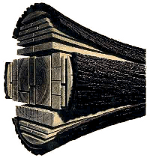
Densities of seasoned & dry wood are indicated in the table below:
| Wood Specie | Density (kg/m3) |
|---|---|
| Alder | 420 - 680 |
| Afrormosia | 710 |
| Agba | 510 |
| Apple | 650 - 850 |
| Ash, white | 650 - 850 |
| Ash, black | 540 |
| Ash, European | 710 |
| Aspen | 420 |
| Balsa | 110 - 140 |
| Bamboo | 310 - 400 |
| Basswood | 320 - 590 |
| Beech | 700 - 900 |
| Birch | 510 - 770 |
| Birch, British | 670 |
| Birch, European | 670 |
| Blue gum | 1000 |
| Box | 950 - 1160 |
| Butternut | 380 |
| Cedar | 490 - 570 |
| Cedar of Lebanon | 580 |
| Cedar, western red | 380 |
| Cherry | 630 - 900 |
| Cherry, European | 630 |
| Chestnut, sweet | 560 |
| Cottonwood | 410 |
| Cypress | 510 |
| Dogwood | 760 |
| Douglas Fir | 530 |
| Ebony | 1110 - 1330 |
| Elm | 540 - 600 |
| Elm, American | 570 |
| Elm, English | 550 - 600 |
| Elm, Dutch | 560 |
| Elm, Wych | 690 |
| Elm, Rock | 820 |
| Gaboon | 430 |
| Greenheart | 1040 |
| Gum, Black | 590 |
| Gum, Blue | 820 |
| Gum, Red | 540 |
| Hackberry | 620 |
| Hemlock, western | 500 |
| Hickory | 600 - 930 |
| Holly | 760 |
| Iroko | 660 |
| Juniper | 560 |
| Keruing | 740 |
| Larch | 500 - 560 |
| Lignum Vitae | 1170 - 1330 |
| Lime, European | 560 |
| Locust | 670 - 710 |
| Logwood | 910 |
| Madrone | 740 |
| Magnolia | 570 |
| Mahogany, African | 500 - 850 |
| Mahogany, Cuban | 660 |
| Mahogany, Honduras | 650 |
| Mahogany, Spanish | 850 |
| Maple | 620 - 750 |
| Meranti, dark red | 710 |
| Myrtle | 660 |
| Oak | 600 - 900 |
| Oak, American Red | 740 |
| Oak, American White | 770 |
| Oak, English Brown | 740 |
| Obeche | 390 |
| Oregon Pine | 530 |
| Parana Pine | 560 |
| Pear | 610 - 730 |
| Pecan | 770 |
| Persimmon | 900 |
| Philippine Red Luan | 590 |
| Pine, pitch | 830 850 |
| Pine, Corsican | 510 |
| Pine, radiata | 480 |
| Pine, Scots | 510 |
| Pine, white | 350 - 500 |
| Pine, yellow | 420 |
| Plane, European | 640 |
| Plum | 660 - 780 |
| Poplar | 350 - 500 |
| Ramin | 670 |
| Redwood, American | 450 |
| Redwood, European | 510 |
| Rosewood, Bolivian | 820 |
| Rosewood, East Indian | 900 |
| Sapele | 640 |
| Satinwood | 950 |
| Spruce | 480 - 780 |
| Spruce, Canadian | 450 |
| Spruce, Norway | 430 |
| Spruce, Sitka | 450 |
| Spruce, western white | 450 |
| Sycamore | 400 - 600 |
| Tanguile | 640 |
| Teak, Indian | 660 - 980 |
| Teak, African | 980 |
| Teak, Burma | 740 |
| Utile | 660 |
| Walnut | 640 - 700 |
| Walnut, Amer Black | 630 |
| Walnut, Claro | 490 |
| Walnut, European | 570 |
| Water gum | 1000 |
| Whitewood, European | 470 |
| Willow | 400 - 600 |
| Yew | 670 |
| Zebrawood | 790 |
- 1 kg/m3 = 0.001 g/cm3 = 0.0005780 oz/in3 = 0.16036 oz/gal (Imperial) = 0.1335 oz/gal (U.S.) = 0.0624 lb/ft3 = 0.000036127 lb/in3 = 1.6856 lb/yd3 = 0.010022 lb/gal (Imperial) = 0.008345 lb/gal (U.S) = 0.0007525 ton/yd3
After felling, timber will lose moisture to align itself with the atmospheric conditions. Moisture content should be lower than 20% to stop fungal attack. Seasoning is the name of the process where moisture content is reduced to the appropriate level for proposed use.
Shrinkage will occurs as a result of the moisture loss - typical 3-4% across the grain.


